

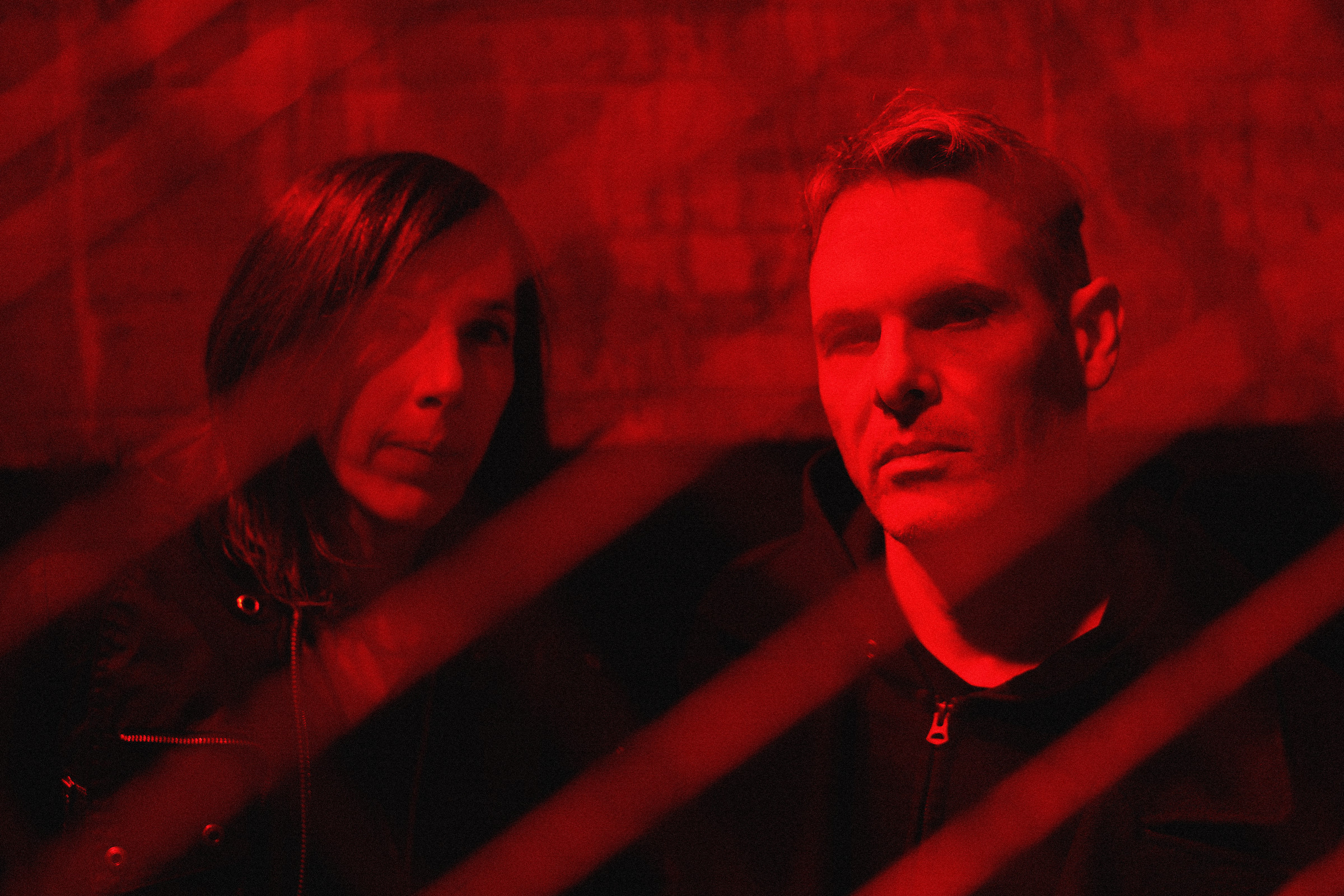
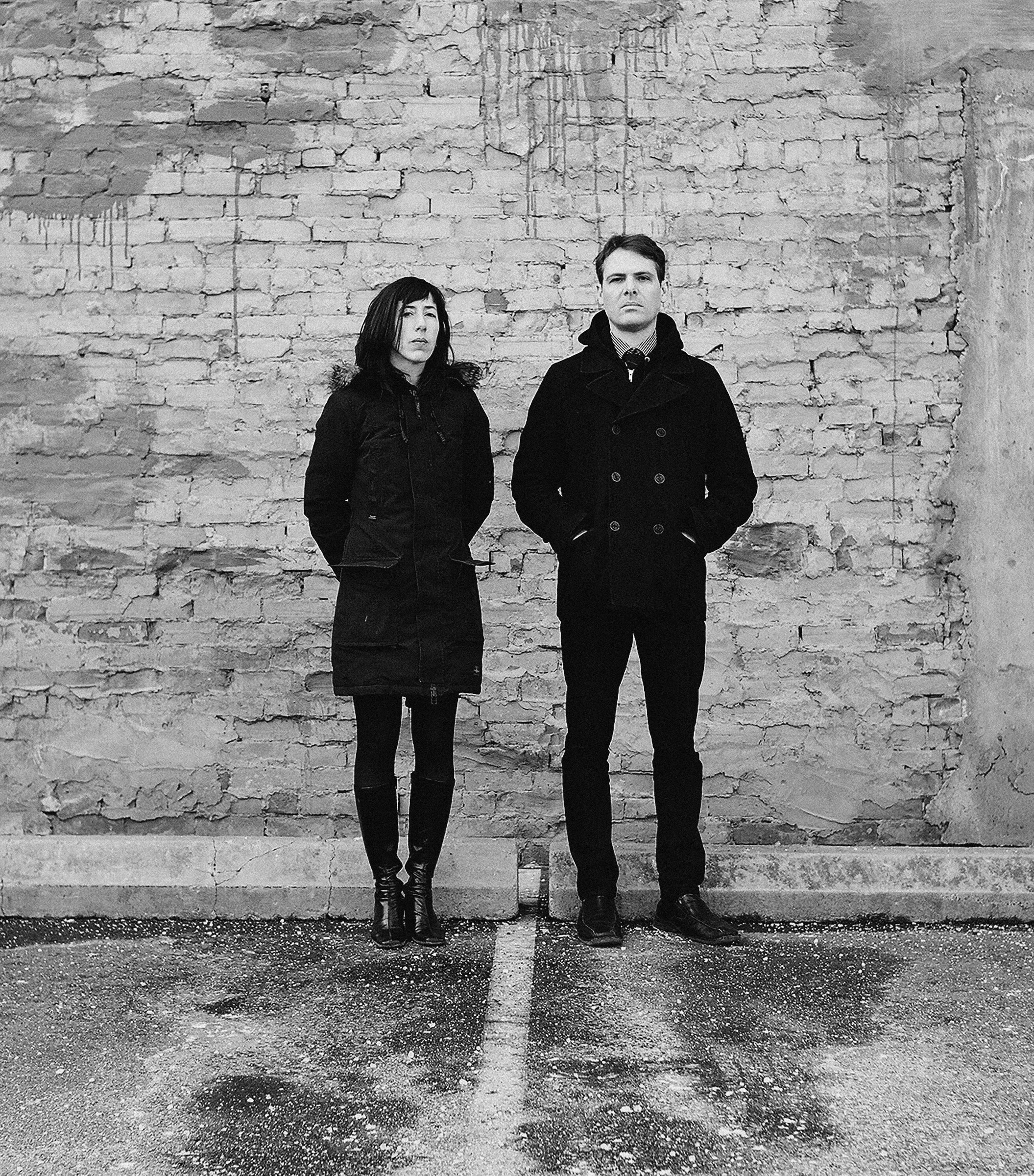
Rich Oddie and Christie Sealey started with pure noise and industrial in the early 90s, arriving at hard techno and rhythmic noise — not by changing course, but simply by following their own path. Their music is something you physically feel, and their live sets are called not performances but rituals — with infrasound, improvisation, and catharsis on the edge of ecstasy. We talked with them about how their sound took shape, why distance between scenes matters, and what Orphx means to them today, stripped of all labels.
Your early releases were pretty harsh, almost pure industrial and noise. Later a more defined rhythm and club element came in. Was that a conscious shift, or did it just happen naturally?
Rich: It was a natural development. From the beginning of the project, near the end of 1993, we were both into a wide variety of music and this included industrial and experimental music as well as more adventurous forms of dance music. Christie and I were going to raves around Southern Ontario at this time and discovering the kinds of darker, psychedelic techno that we liked. The industrial music that we were most inspired by also had a very strong rhythmic element: SPK, Neubauten, Clock DVA, Skinny Puppy, The Klinik. So we quickly began incorporating more and more rhythmic elements into the project. Around 1997 I started bringing in more techno and electro elements and that led to the Nullity EP.
Christie: Yeah it definitely happened naturally. We have both always been inspired by a wide range of genres. I think it was also due in part to changes in the types of gear we were using. We began with limited gear and gradually incorporated more sophisticated machines, sequencing, and syncing methods that allowed us to explore more complex rhythmic ideas that we couldn't at the very beginning.
People often don't just listen to your music, they physically feel it. Is that something you think about when making a track, or not really?
Christie: Definitely. I love that interpretation. I think the texture of the sounds, the frequency range, and the way they move in the listening space are all really important for creating the atmosphere and experience that we are after with a particular track.
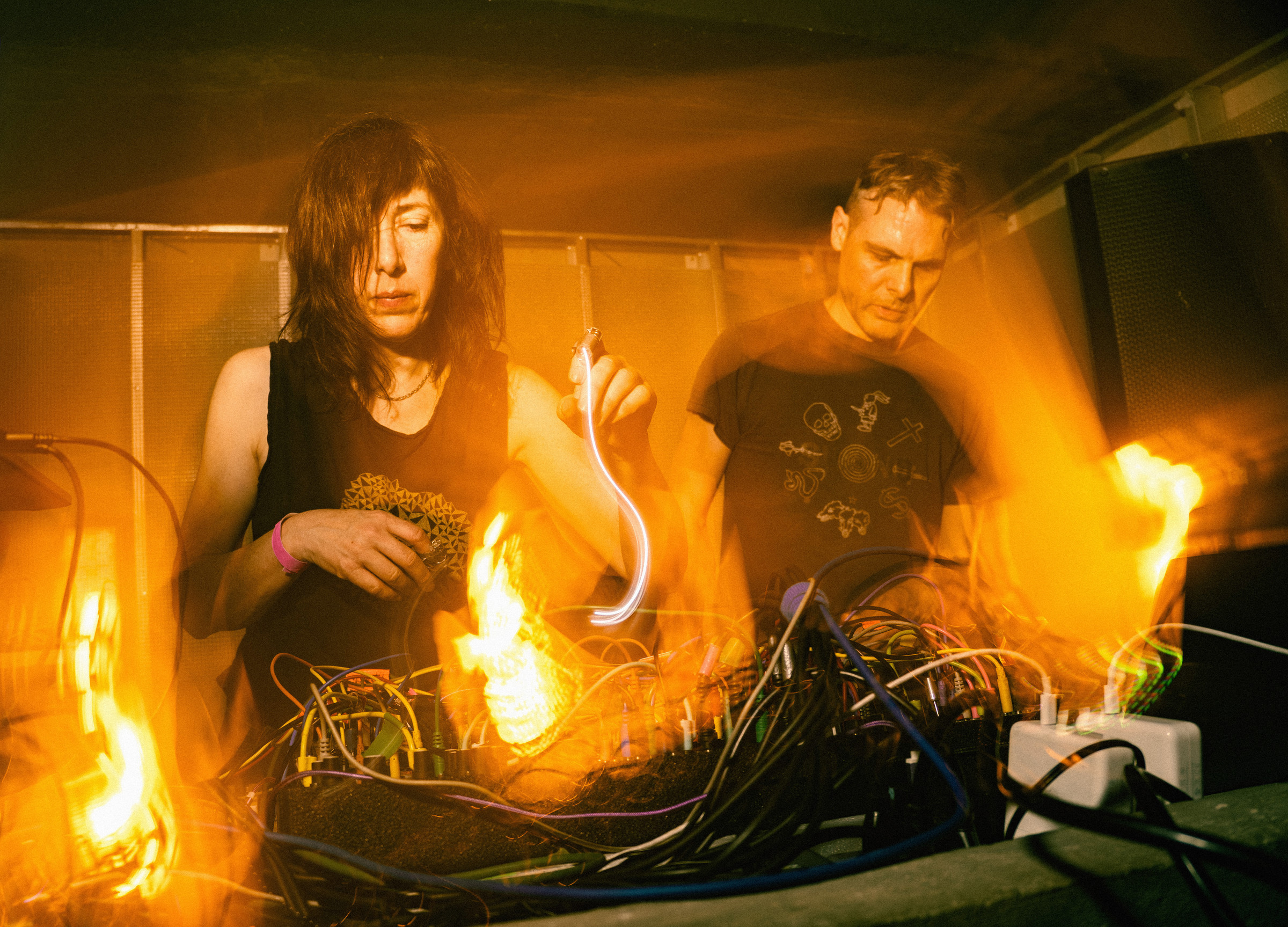
Rich: We are often making music with these factors in mind, trying to create sounds and compositions with a full frequency range and paying special attention to the physical effects. This is especially important to us when playing live. Lately we have been doing a lot of work with infrasound (sounds below 20Hz) and this has been an inspiring experience.
When you started moving toward a more techno-oriented sound, did it feel like stepping into a different scene? Or more like a natural continuation for you?
Rich: When we were starting in the 90s, there was a strong divide between the industrial scene and techno. For many years, we found it difficult to get any interest from techno promoters or fans because our music was out of step with the minimal techno trend of the time. And some industrial fans were dismissive of anything that connected to dance music. We were fortunate to connect with the rhythmic noise scene in Europe: other artists who were explicitly combining industrial music with dance music but in a different way than the "future pop" and "industrial rock" trends in North American industrial music at that time — most of which we hated. With rhythmic noise the influence was more from 90s techno, IDM, electro, and drum and bass, as well as European power electronics. During the early 2000s, we made more of an effort to connect with techno artists by commissioning remixes of our work from Surgeon, Sleeparchive and Fluxion. Shortly after that we connected with Adam X, who was also exploring combining industrial with techno. Our releases on Sonic Groove began just as a new wave of interest in harsher, darker music within techno was starting to grow. This really opened up the doors for us, allowing us to connect with more techno fans, promoters and venues.
Christie: It didn't feel like we were making a big shift in our sound — that was really just a continuation of what we were doing. But we did really notice a shift in the audience as we started to connect with more people. And fortunately many of our older fans have stuck with us and we are really grateful for that. It has been great to be able to play in a wide variety of music scenes, as each one inspires a different approach: different energy, and often different sounds and structure.
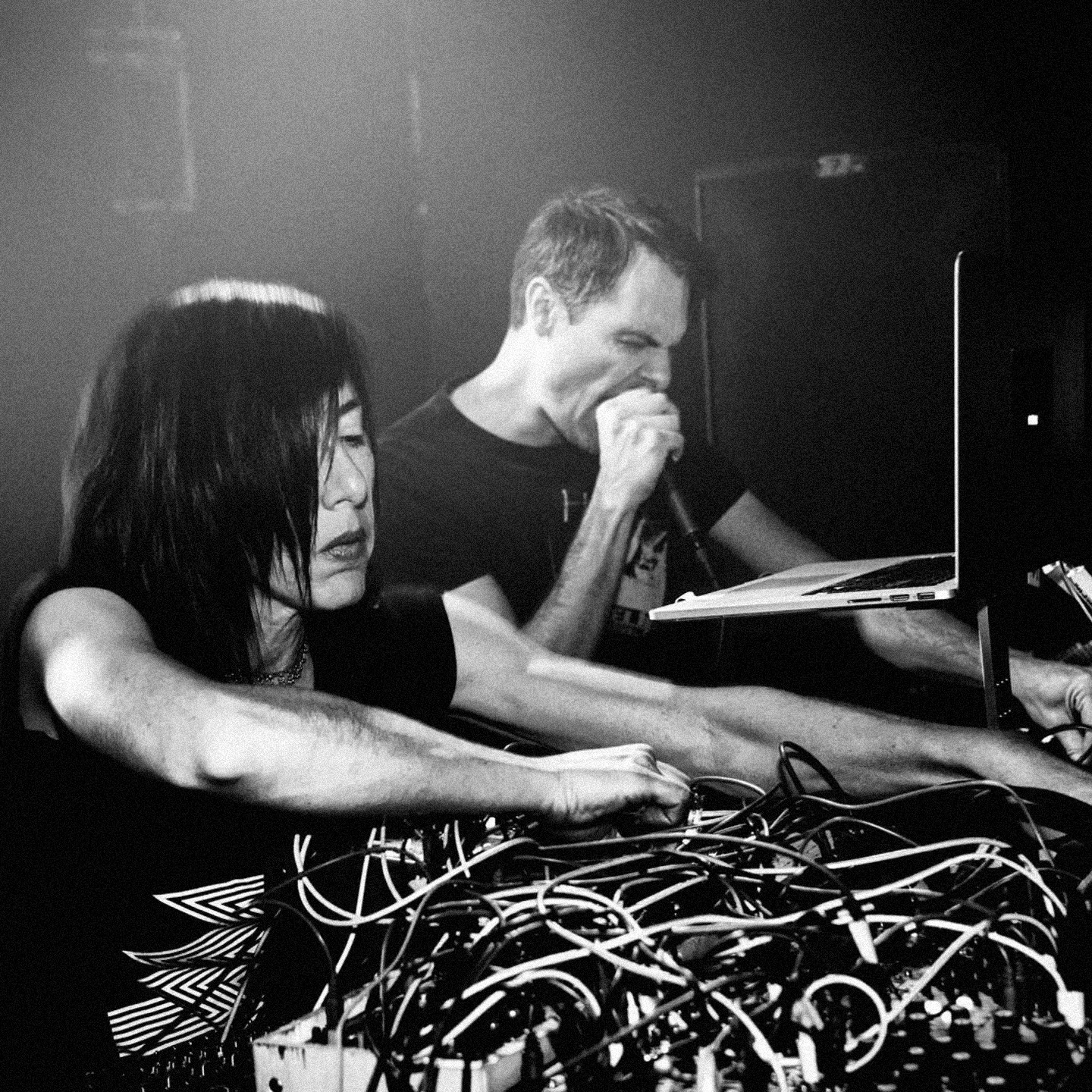
A lot of your tracks carry this sense of pressure or control. Is that more about the outside world, or something personal?
Rich: Both, I think. I certainly see music as an outlet for difficult feelings and emotions and I think that comes across in a lot of the music, particularly our live performances. And of course we are influenced by the world around us. Many of our titles, samples and lyrics refer to both that personal level, referencing psychological and spiritual themes and concepts, as well as larger social or political themes.
When you play your tracks in clubs, do you pay attention to how people react, or are you not really focused on the dancefloor?
Rich: Improvisation is a big part of our performances so it's important to listen closely to what each person is doing and the overall mix. And while I try to stay focused on this, it's impossible for me to ignore the reactions of the crowd and I often find myself responding to that energy.
Christie: Yeah, I think there is definitely a strong relationship between how we perform and our relationship with the audience. Certain audiences will inspire a different level of intensity or quality and texture of sounds — some more noisy and cathartic, some more deep and hypnotic.
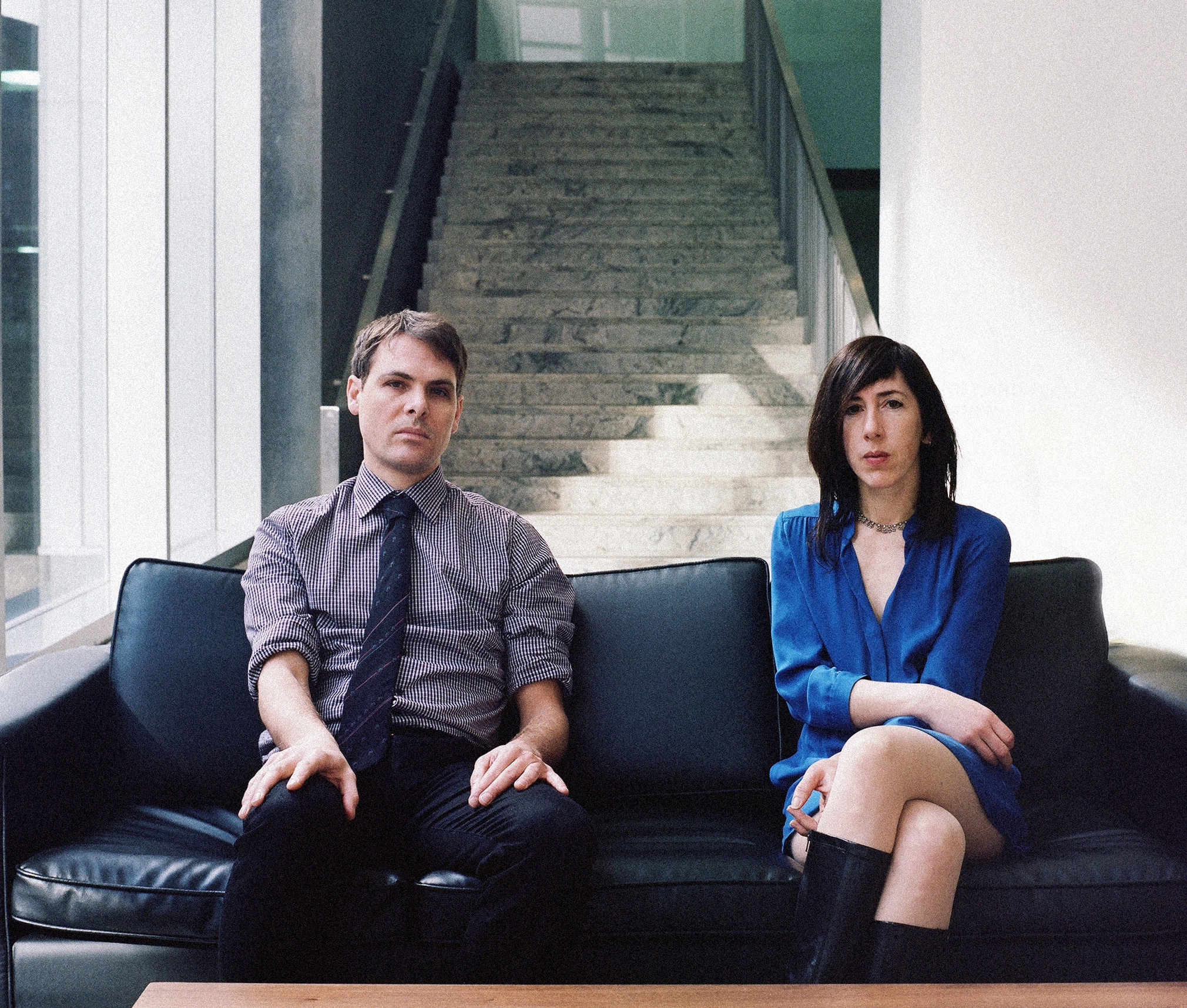
Do you have a clear moment where a track feels finished to you? Or does it always feel like it could be pushed further?
Christie: I have a really hard time finishing tracks. Usually a deadline decides those things for me! Rich is much better at determining the finished state of a track.
Rich: After many years of working on music I think I have a good sense of when something feels finished to me. But I think this is a real challenge for every creative person and when I listen to something much later I will often think of ways that it could be improved. I think you have to trust your intuition and judgement to finish each track to the best of your ability. Get the idea down and move on! But yeah, I will often return to a composition later and see ways in which it could be developed or pushed further and this often leads to new experiments and new compositions.
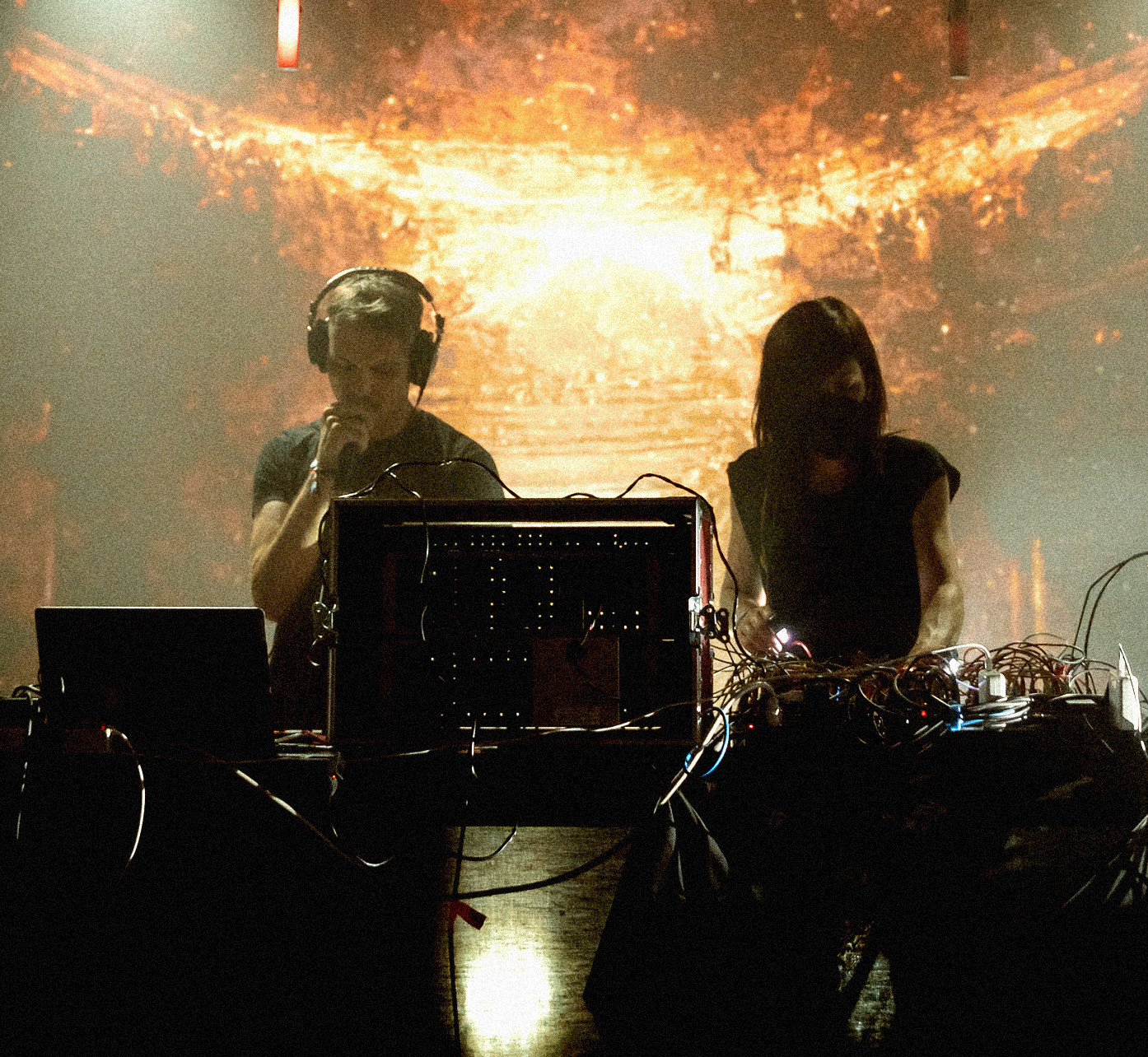
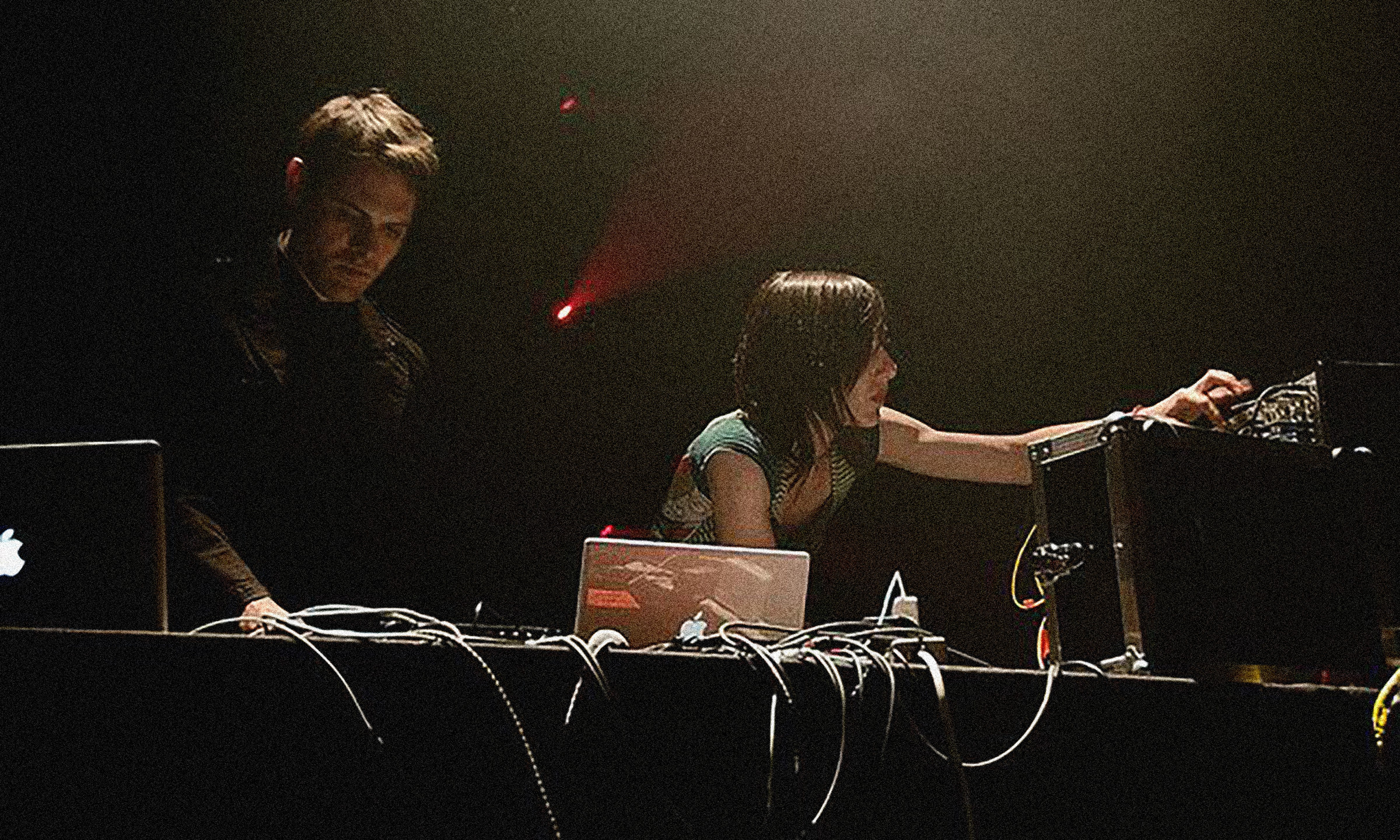
Your live sets are often described as something more than just a DJ or live performance, almost like a ritual. Do you see it that way yourself, or is that more how people interpret it?
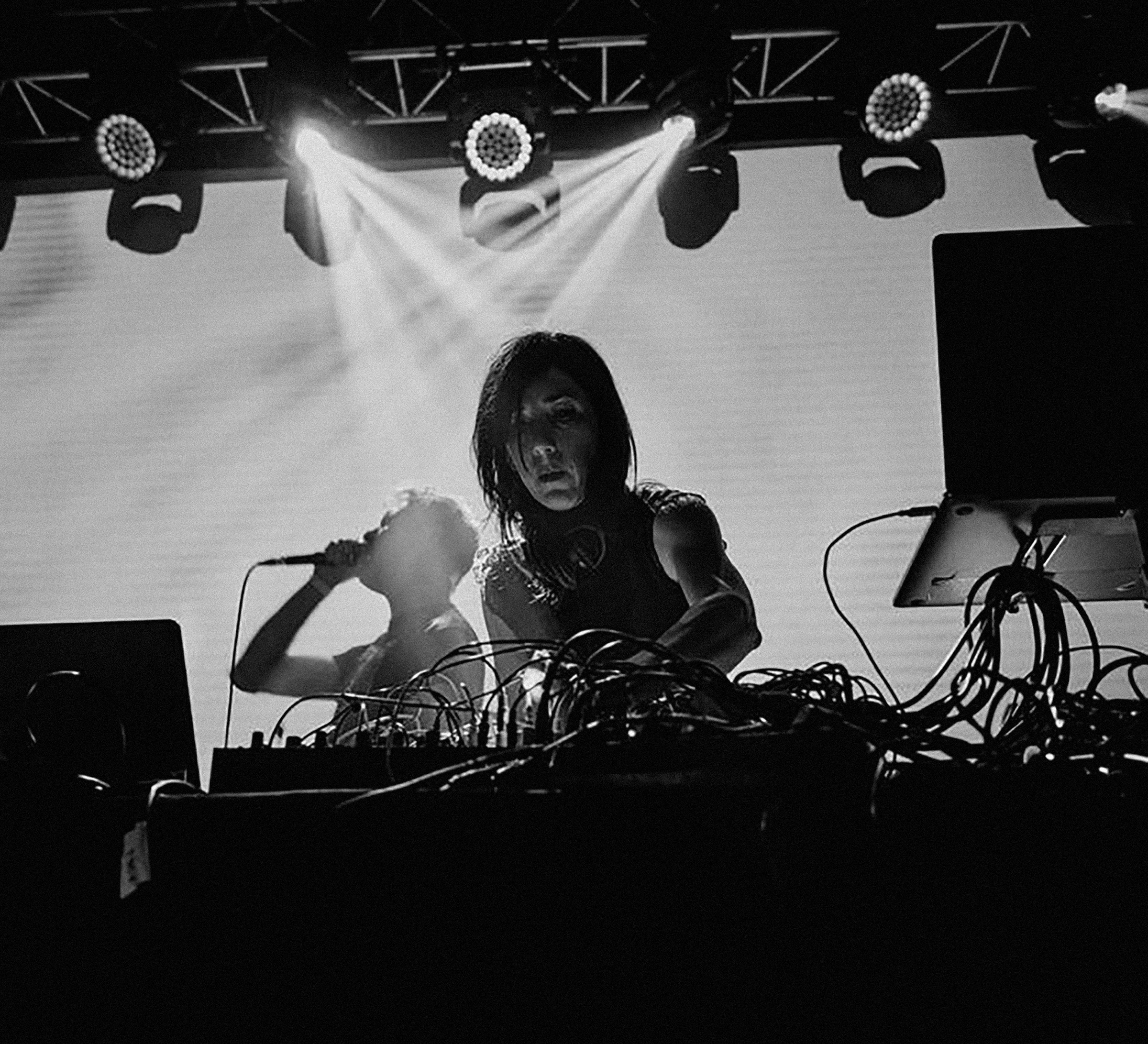
Rich: Absolutely. This is something we have tried to do from the very beginning — trying to channel all of our energy and the energy from the audience into performances that ebb and flow like a psychedelic trip and build up a kind of hypnotic and cathartic intensity.
Christie: That is our ideal: coming together with an audience to be immersed in a shared sonic experience. It doesn't always work that way but when we have a sense that an audience — or even part of an audience — is connected in that way it can be very transformative.
Rich: Ecstatic!
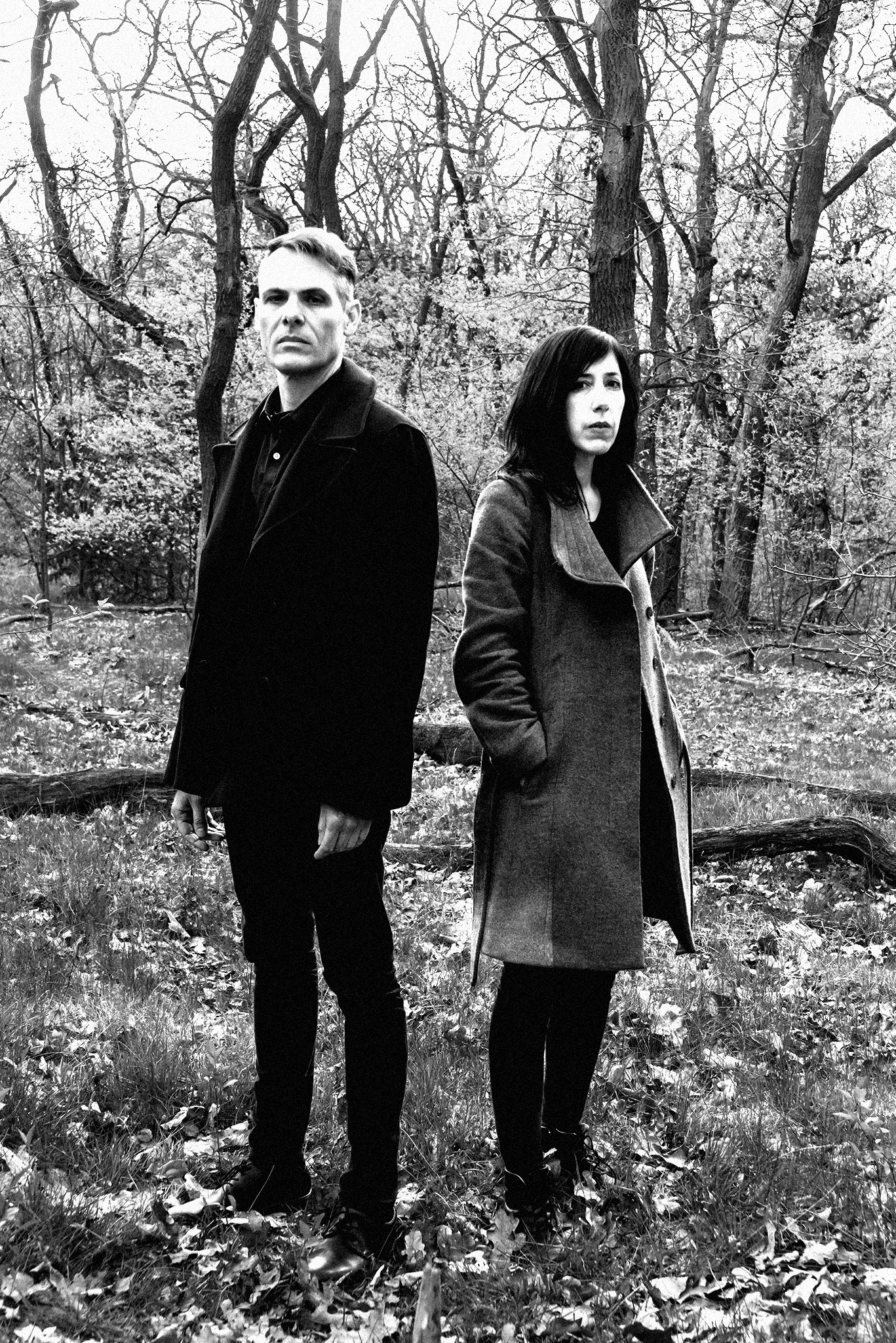
There's a certain coldness and distance in your sound, but at the same time it's very intense. Is that something intentional, or does it just come out that way?
Rich: Like a lot of the artists that influenced us, we try to create music that reflects modern life and especially the more challenging aspects of life. I think you can hear that in the music: alienating and unsettling atmospheres alongside a more intense energy of discontent, rage, resistance.
You've existed between scenes for a long time, not fully industrial, not fully techno. Is that an intentional position for you?
Rich: Again, it's something that has taken shape rather than being a calculated decision. For better or worse, we've always created the kind of music that felt right at the time and it has never fit neatly into genre divisions. Sometimes I think it would have been much easier for us if we had made some concessions here and there but ultimately we have made our own path and we have been fortunate enough to connect with a wide variety of people and music scenes along the way.
How important is it for you that listeners actually understand the meaning behind a track? Or is the feeling enough?
Christie: It isn't necessary for a listener to understand the particular details or references. I like music and art that is open to multiple interpretations and it is good when you can bring something of yourself or where you are at a particular moment to a song or a work of art. That said, if a listener understands the intention behind a track or an album they might get more out of it. They might understand the choice of sounds, rhythms, structures and lyrics more fully and how particular tracks fit together to tell a story or express an idea.
Rich: I agree. The feeling is enough and I think each person can and should interpret art in whatever way they wish. A track or an album can hit you in very different ways at different points in time, based on your own experiences and interpretation. But the titles, samples and lyrics that we use always have specific references in them that are there for people to investigate if they want to dig deeper.
You've been working together for many years. Do you still run into moments where you completely disagree on a track? How do you deal with that?
Christie: In any collaboration, there is always a certain amount of compromise and we have definitely had moments of disagreement, where one person isn't really feeling a particular track or direction. That track might sit for a while longer while we try different ways to rework it or it might take time to listen to it with fresh ears or a new perspective.
Rich: I would say that disagreements are pretty rare, though. We have a good sense of what does and does not fit into the broad boundaries of the project and I think we're both open to stretching those boundaries. We also have a division of labour that tends to avoid conflict, insofar as Christie is largely responsible for sound design and I am largely responsible for editing and composition.
If you strip away genres and labels, what is Orphx to you today?
Christie: A place for us to explore new sounds and compositions and to work through our interpretations of current events and ideas, whether personal or social / political.
Rich: An expression of what it means to be a human in the present moment, with a particular emphasis on life's challenges and fears.
Socials:
Soundcloud - soundcloud.com/orphx
Instagram - instagram.com/orphx_official
Facebook - facebook.com/orphx
Bandcamp - orphx.bandcamp.com
Text by Denis Veber / Thanks to Orphx — Daze Team