
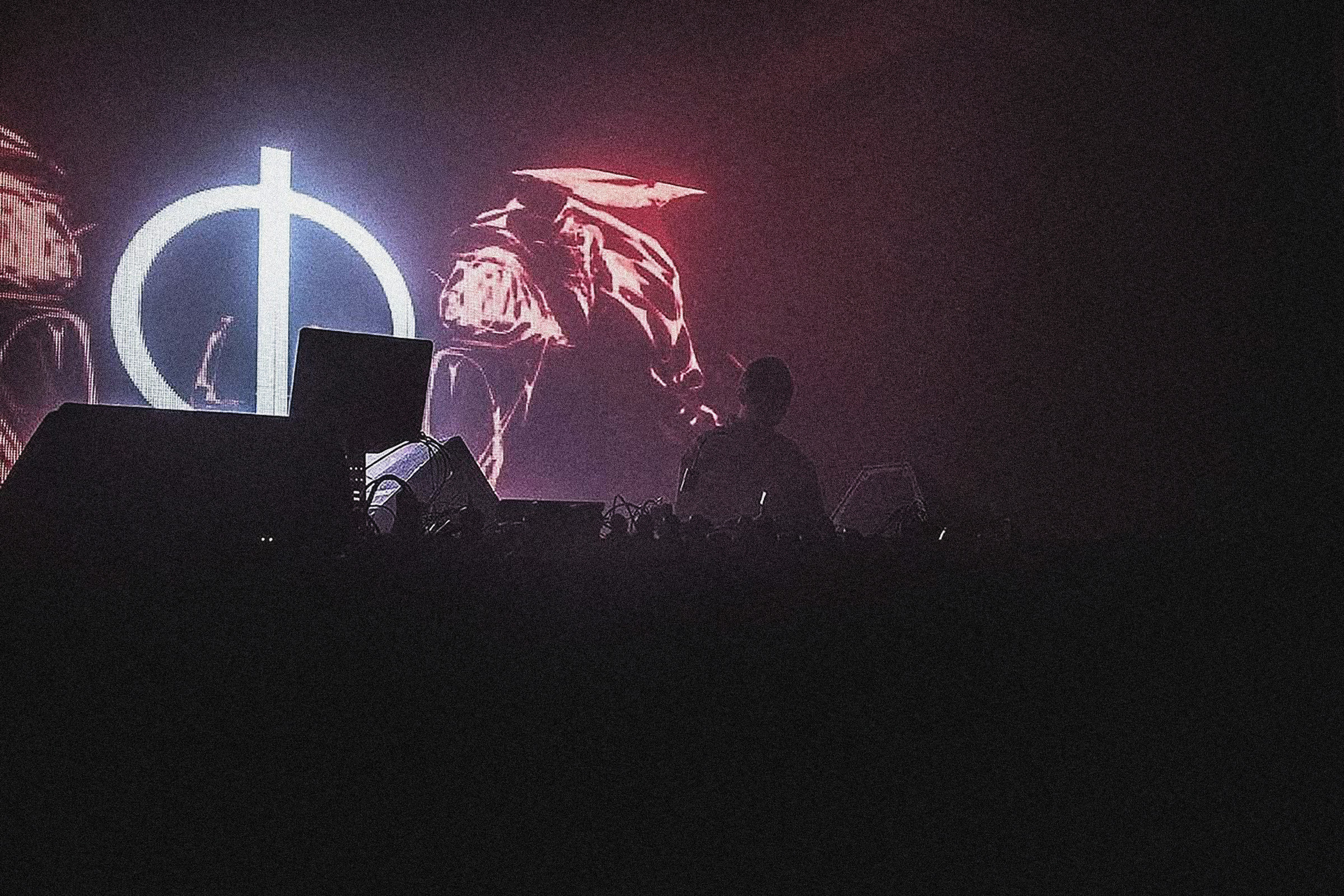
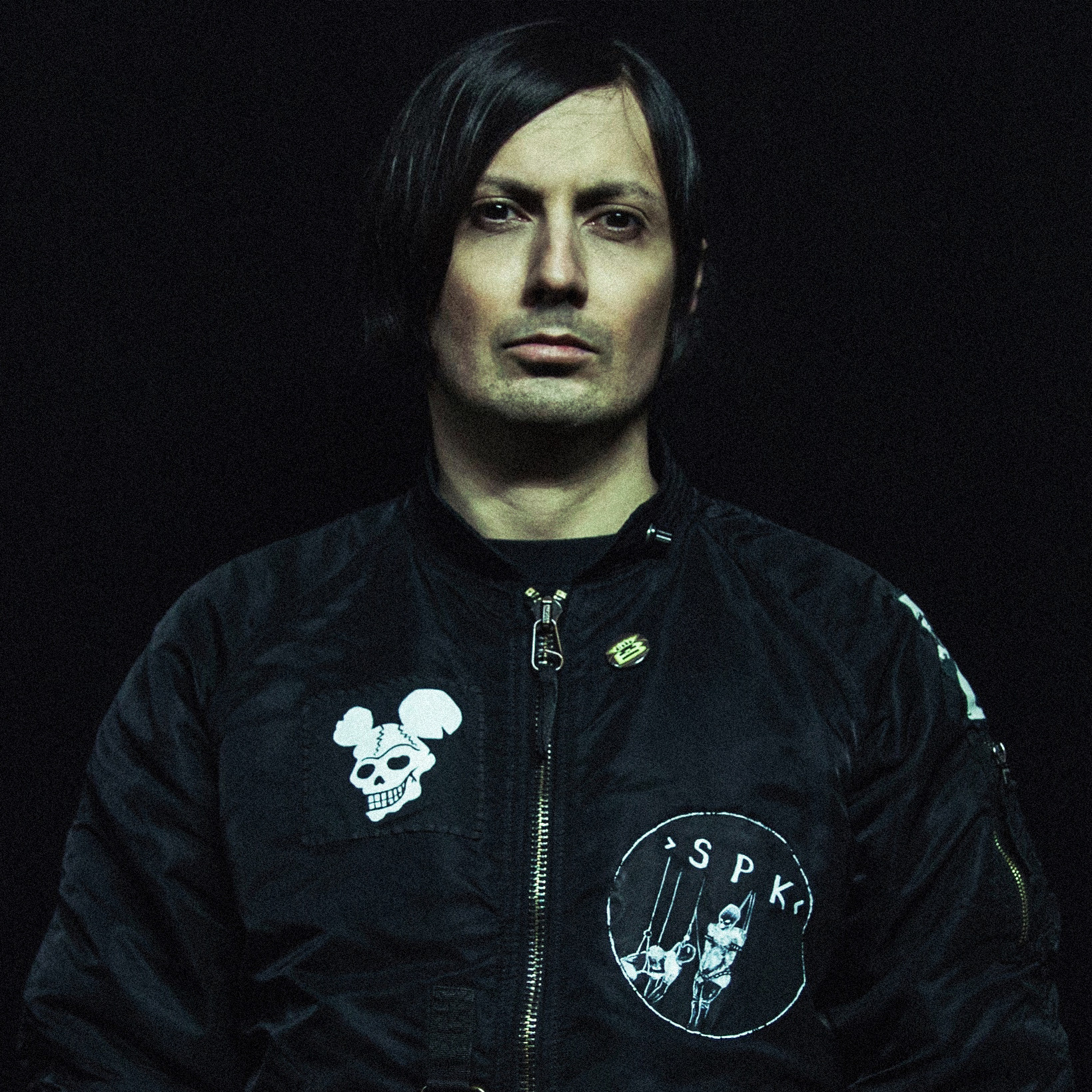
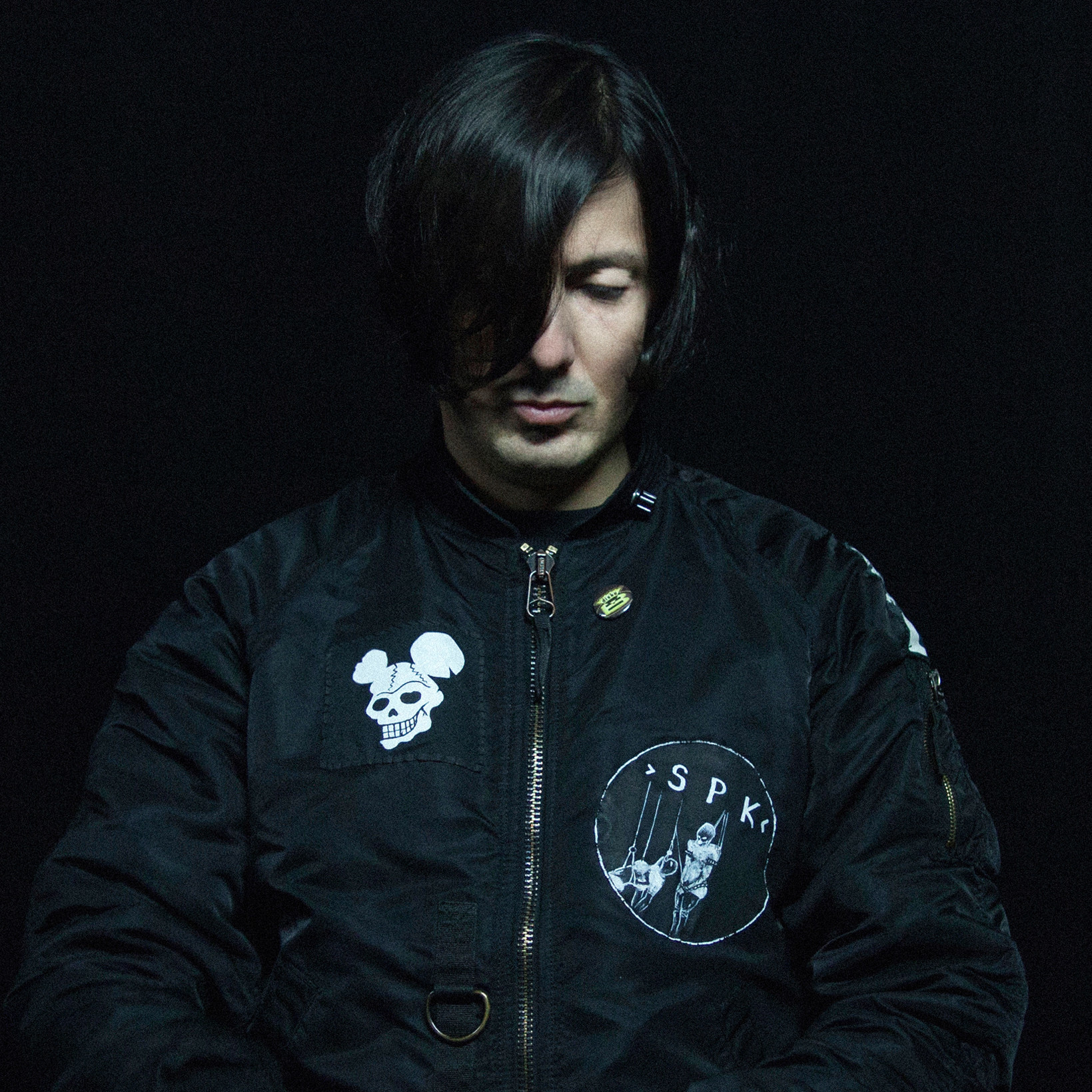
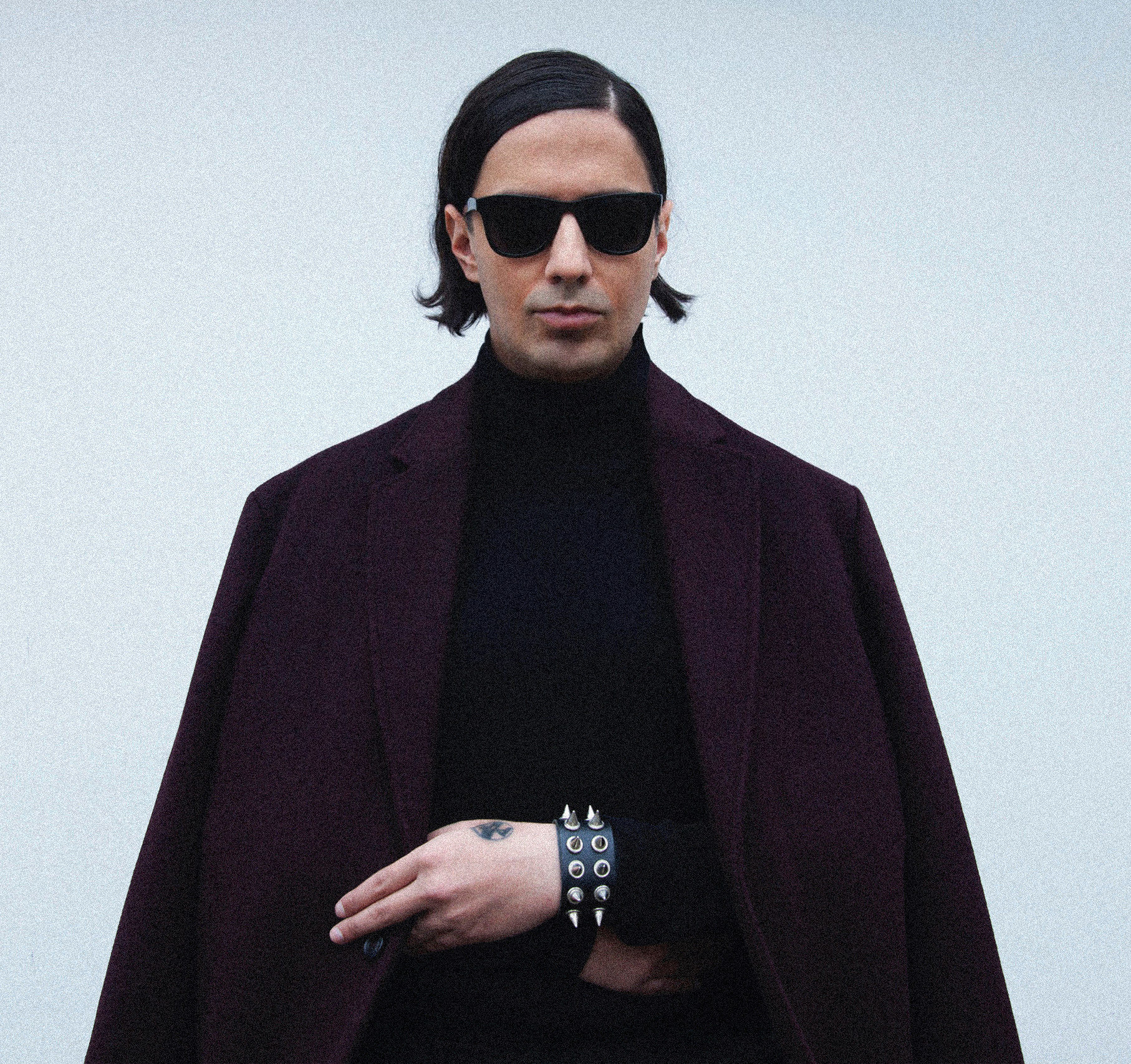
Alexey Volkov started making music in 1997, back when the scene still lived without the internet and visuals — just sound. Since then he's gone through Berlin, launched Perfect Tension, and had a track land in a Raf Simons show. We talk about why commerce never became his goal, why he got rid of almost all his gear, and what's kept him in music for nearly thirty years.
You started making music back in 1997. What did the scene sound like then, and what from that era still shapes what you do today?
Without the internet, sound was the only way to connect with an artist. There was no visual layer accompanying almost every release like today. The connection to music felt much stronger. I still miss it, honestly. I remember when Discogs appeared, the first thing I did was go look at what Regis and Surgeon looked like. They turned out almost exactly as I'd imagined them. I'm still influenced by the idea of the scene as a community. I think in terms of people united by a shared culture and an exchange of energy. Back then, enthusiasm often mattered more than commercial goals. I think that's stayed with me. The sound was, let's say, bolder.
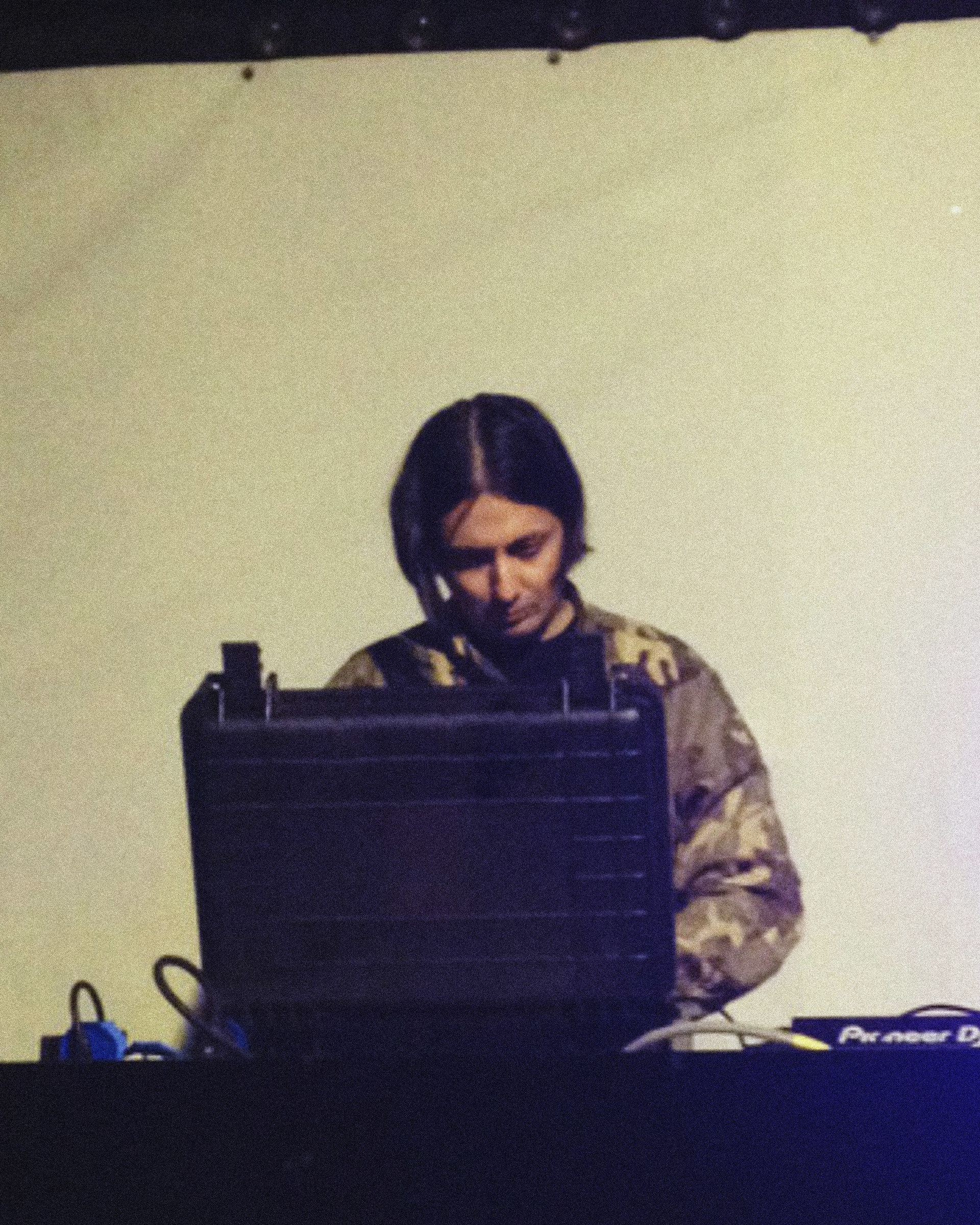
What drove you toward industrial and experimental techno rather than something more accessible? Was it a conscious choice or were you simply following the sound that pulled you in?
I was always drawn to the aggressive character of industrial sound and its hypnotic cyclicality. There's a spirit of rebellion in it, from Punk and TOPY. I never thought in terms of audience comfort. There has always been a demand for complex, dark, and ambiguous art. Humanity has a very large shadow.
Tell us about the move to Berlin. What did it give you as an artist and is there anything you left behind?
In the '90s, Berlin was almost a myth to me. Back then it was a different city, with cleaner energy and strong communities. I arrived already in a period of commercialization and partial loss of that culture. And the start of the war in Ukraine, the death of my friend Silent Servant, and the pandemic made additional adjustments. Did I gain anything from it? Definitely not. Did I become stronger? Yes.
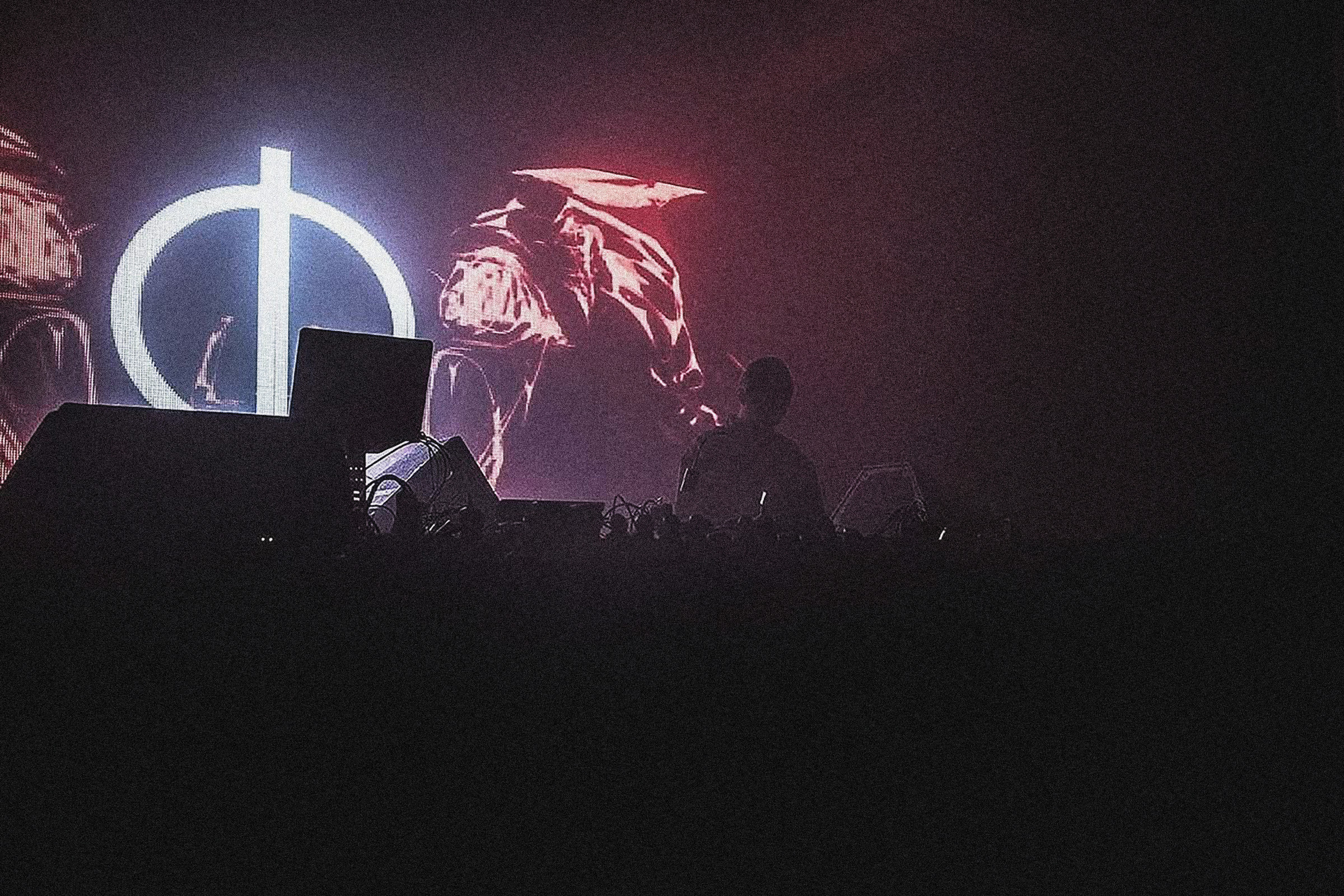
Where did the alias Perfect Tension come from? How does that project differ from what you release under your own name?
Perfect Tension is a move toward post-punk combined with cyclical electronics. I liked the combination of words itself. Bold enough, and it describes the character of the sound well. The Alexey Volkov project was more about techno and stopped existing after the war in Ukraine began. For personal reasons.
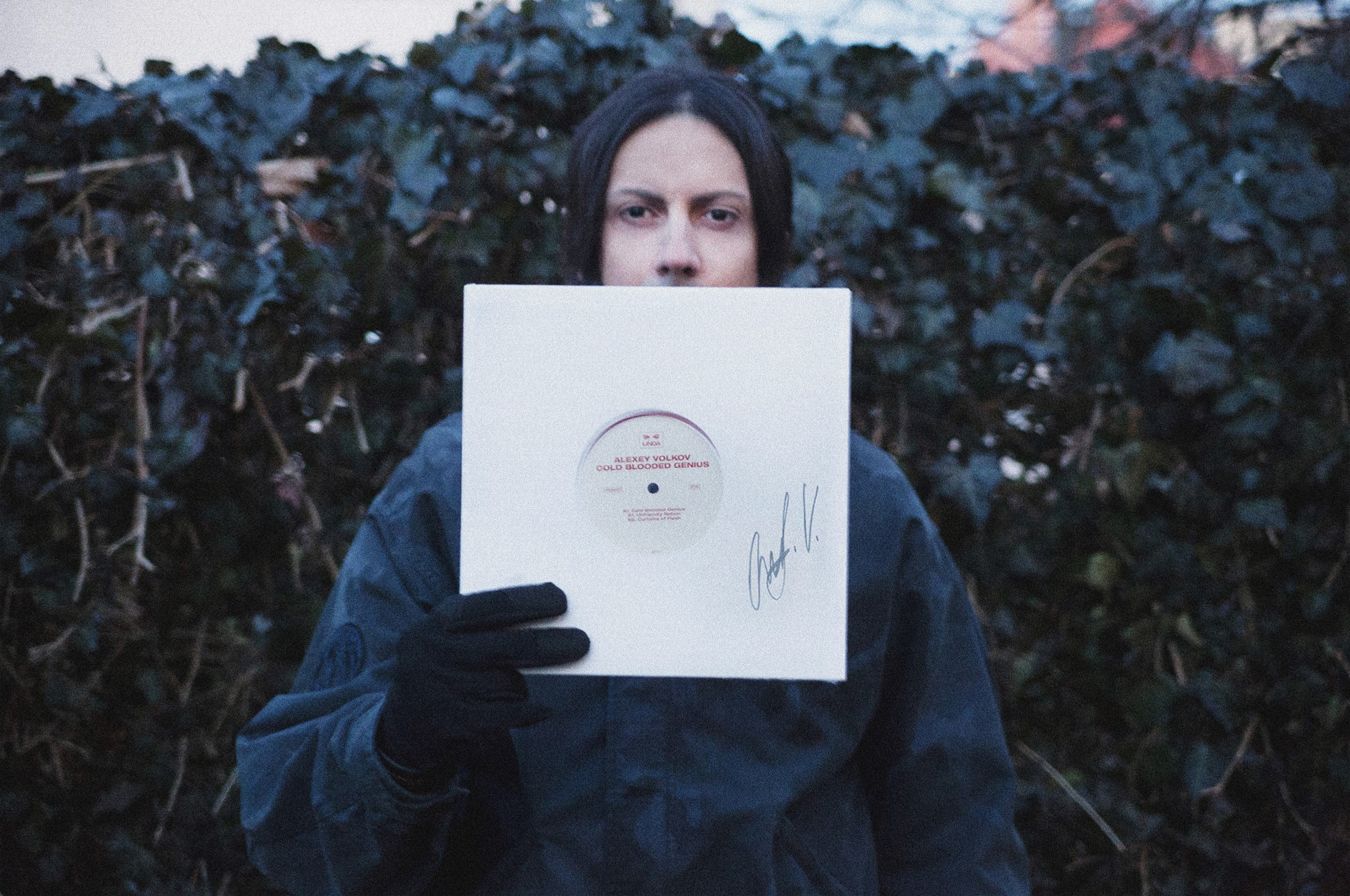
How did your music end up at the Raf Simons show? Tell us that story.
Terence Fixmer told me about it. He was present at the show. Raf Simons has always had an interest in subcultures and early Belgian sound. Fixmer transformed and modernized that sound, and I ended up on his label Planete Rouge. So that connection feels quite natural.
How do you feel about electronic music becoming more and more intertwined with fashion and visual art?
Extremely positive. A huge number of talented people work in both music and fashion. To me it's a natural dialogue between different art forms.
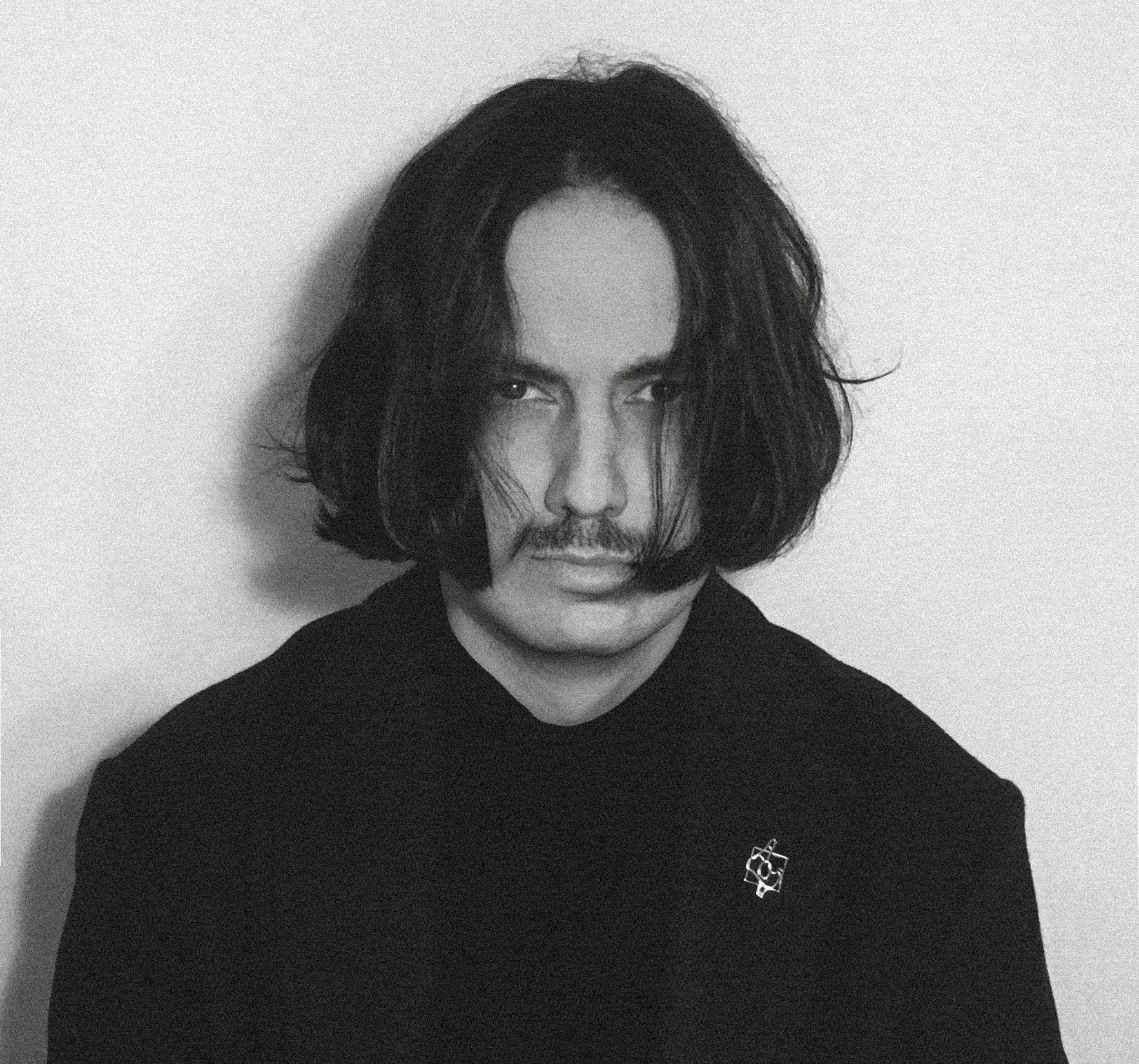
Which artist, label, or producer has influenced you most through collaboration and why?
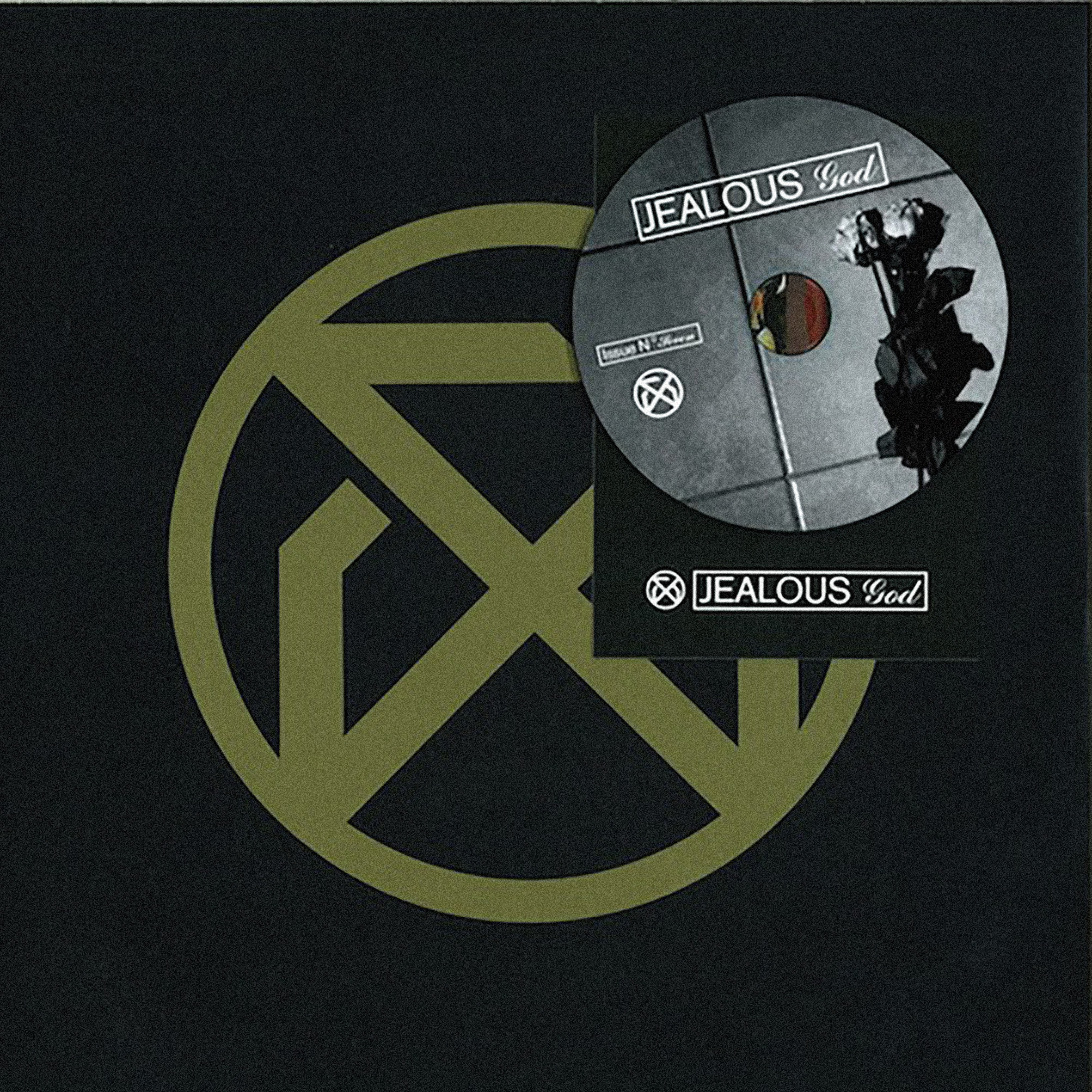
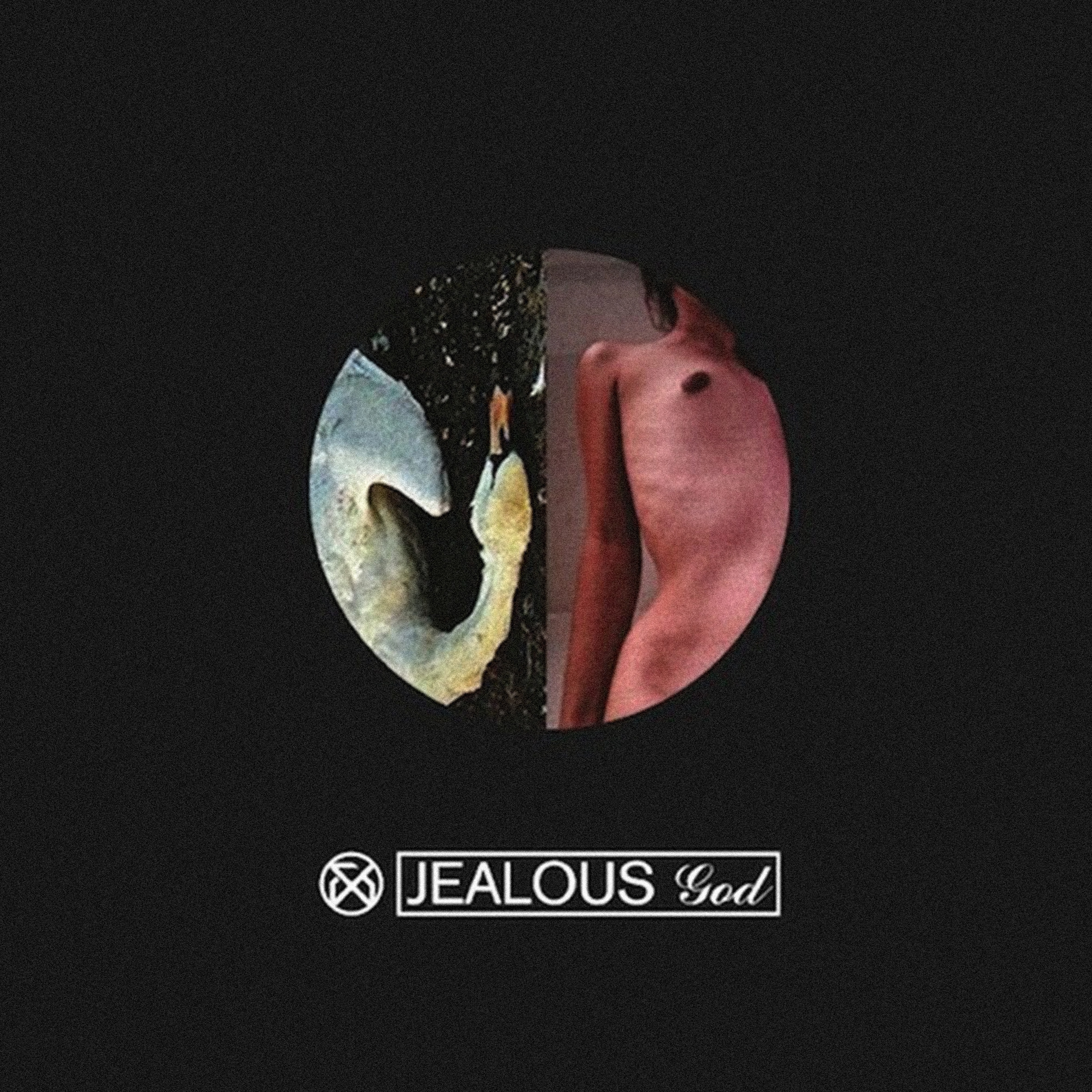
Hard to single out just one. Every collaboration brings a unique experience and changes you in its own way. If we're talking about dynamics, ups and downs, a strong level of abstraction and freedom of sound, then probably the most telling experience was working with the label Jealous God.
How do you balance studio work with live and DJ performances? Where do you feel most like yourself?
There isn't really a balance as such. It all happens fairly chaotically. In the studio, the rational part of thinking switches off and intuition takes over. During a performance, more control is required. In both, I feel equally real.
Describe your approach to gear. Are there instruments without which your sound simply wouldn't exist?
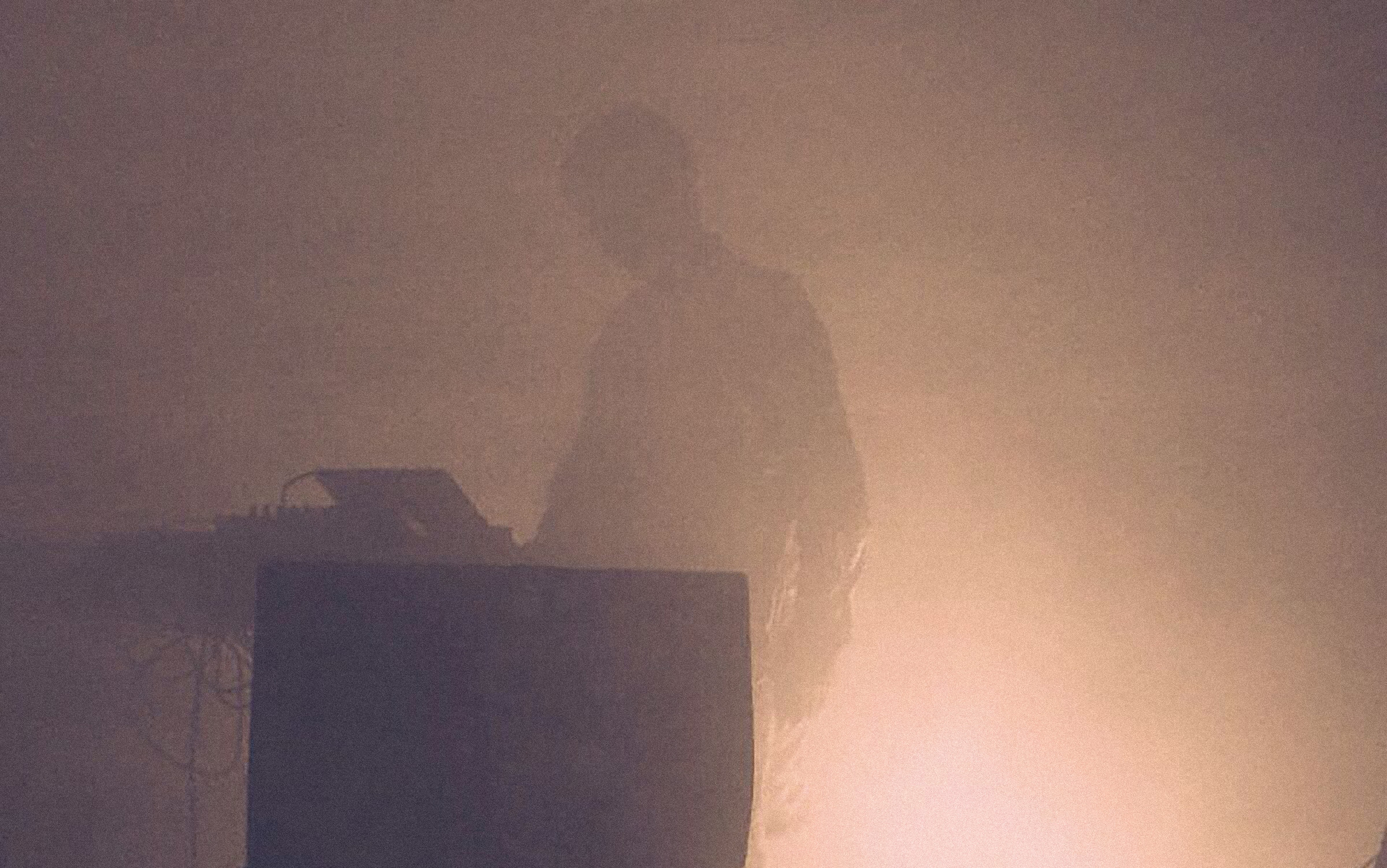
As I've gotten older, I've deliberately started limiting myself in terms of tools. In my case, this makes the process more productive and more focused. I've used Ableton practically since it first existed. As for hardware, I've kept only the DSI Mopho, a step sequencer, and a bass guitar. Everything else I sold or gave away. Without these tools I wouldn't be able to work. The rest is noise. Also, it's much more interesting to climb into an abandoned industrial site with a recorder and record your own sounds than to sift through ready-made sample packs.
The music industry has changed enormously over the years you've been in it. What changes have you made peace with, and what still doesn't sit right with you?
I never felt like part of the music industry. But the ways of publishing and promoting music have changed. Today you can become very visible thanks to the right infrastructure, distribution, publishing, and marketing, even without especially strong material. At the same time, the speed of processes itself has increased. I constantly watch big names appear and disappear. Especially among DJs. Though it's more accurate now to say USB-jockeys.
Industrial and experimental techno were at their peak between 2014 and 2019, then hard techno took over the scene. Now it feels like interest in more complex and avant-garde sound is growing again. Do you notice that shift? How do you see these cycles, why does the scene swing like this?
Good question, but I don't know. I don't think about it.
Many say underground techno is gradually being commercialized and losing its edge. Do you agree? Where is the scene heading?
Commercialization is indeed happening. But the demand for purity of expression and a high level of abstraction isn't going anywhere. It seems to me we're moving toward an interesting split between AI and what used to be called the spark of God. Perhaps in the end a symbiosis will emerge. I'm not pessimistic. On Bandcamp and in underground communities, an enormous amount of very pure and authentic music still appears. So the genuine will for it exists in people.
Over nearly three decades in music there must have been moments when you wanted to walk away, what kept you going? And looking ahead: what are you working on now, and is there a goal or idea that still won't let you go?
No, I never had the desire to give it all up. There have been ups and downs, but the process of making music itself has long been part of my identity. I keep doing it because I like the process itself. Without inflated expectations, but with the understanding that my sound sometimes gets under someone's skin and stays there for a long time.
Socials:
Bandcamp - perfecttension.bandcamp.com
Instagram - instagram.com/perfect.tension
Soundcloud - soundcloud.com/alexeyvolkovofficial
Booking / Management contacts:
Text by Denis Veber / Thanks to Alexey Volkov — Daze Team